53 000
Swiss residents are injured each year while skiing.

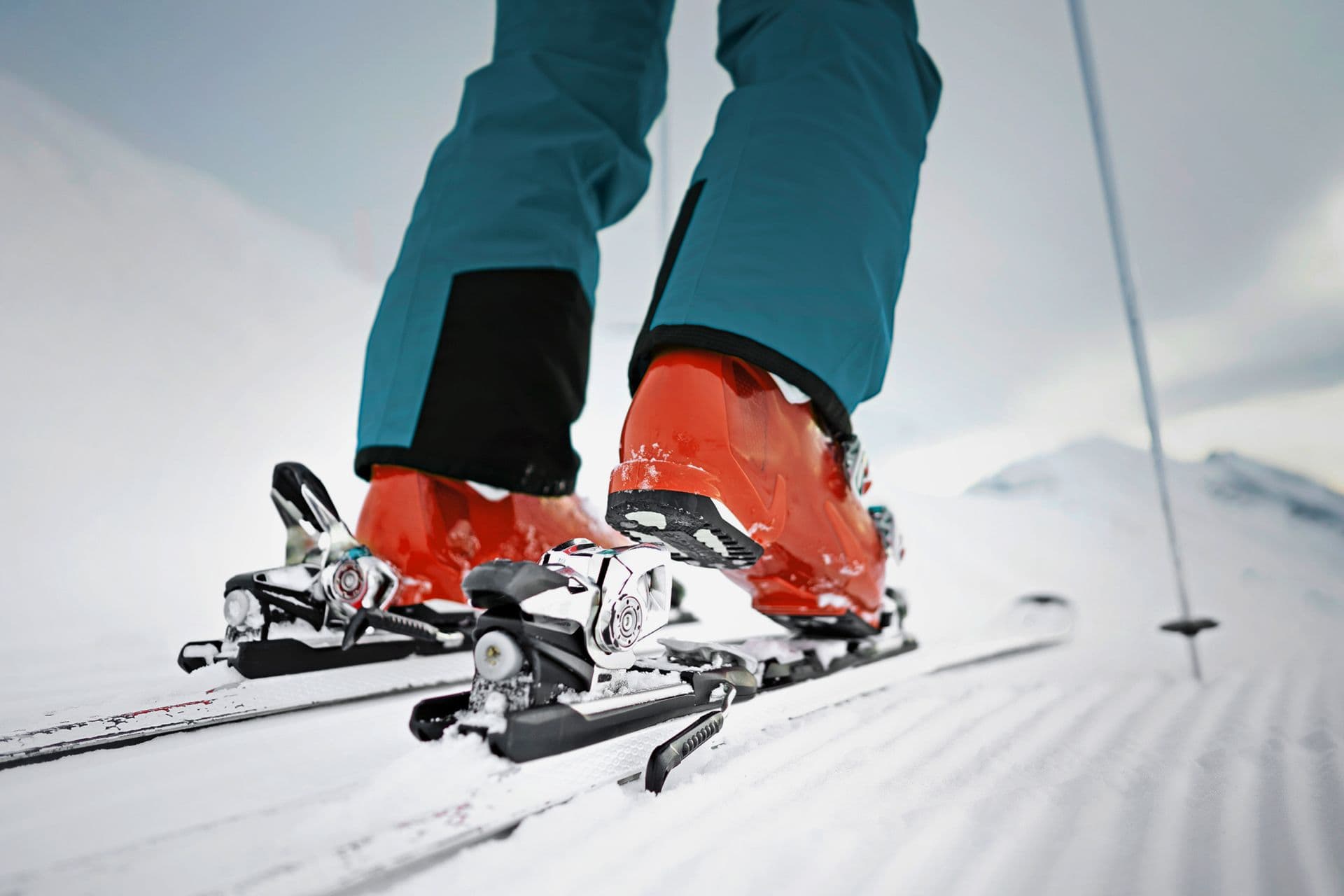
One in three skiing injuries affects the knee. This often has serious consequences for sufferers and results in annual costs running into millions. Yet there are still no ski bindings that effectively prevent knee injuries. It’s high time to close this critical safety gap through innovation – and kick-start a technological revolution. The BFU is spearheading a new approach.
Accident statistics
Ski bindings today
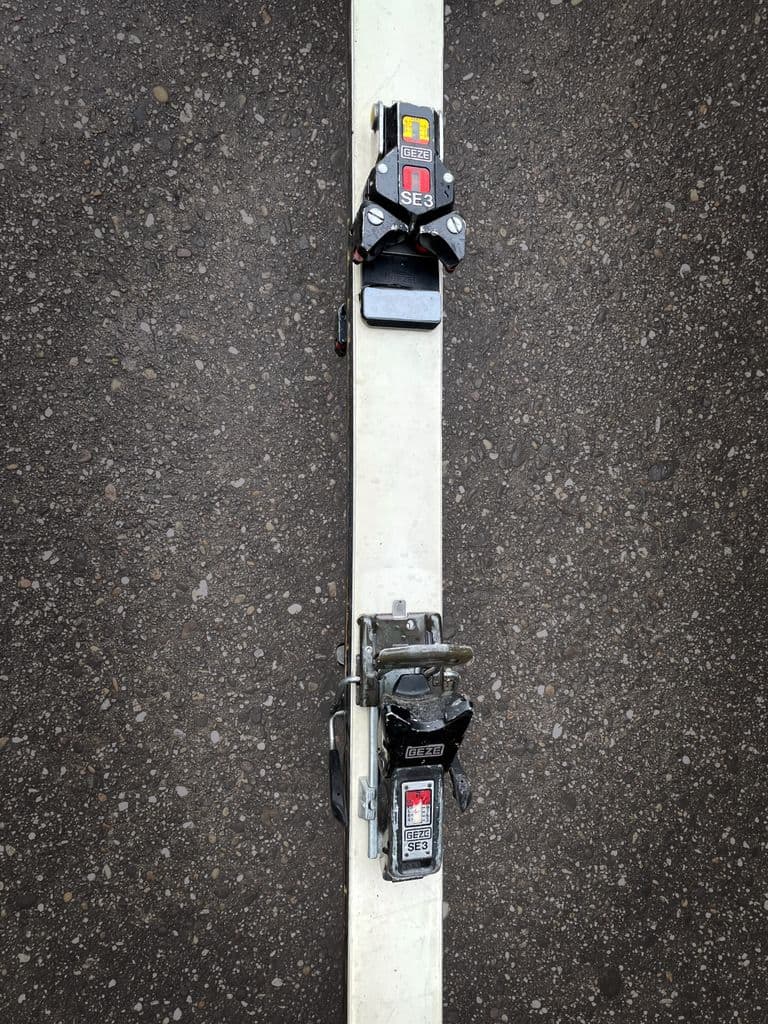
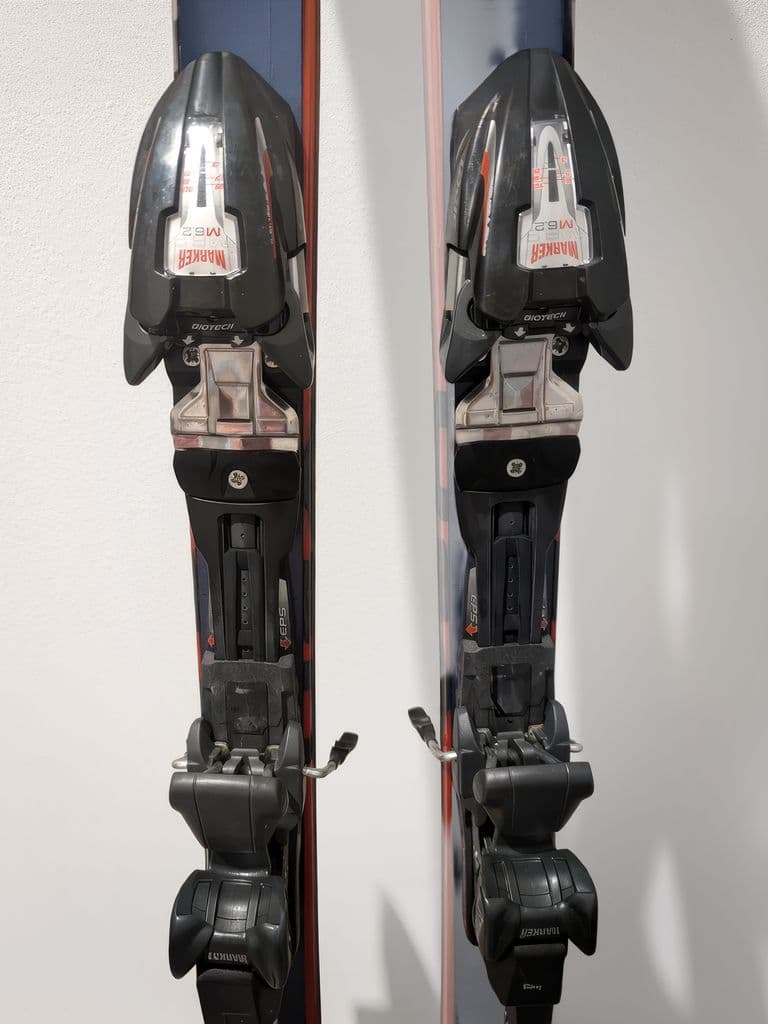
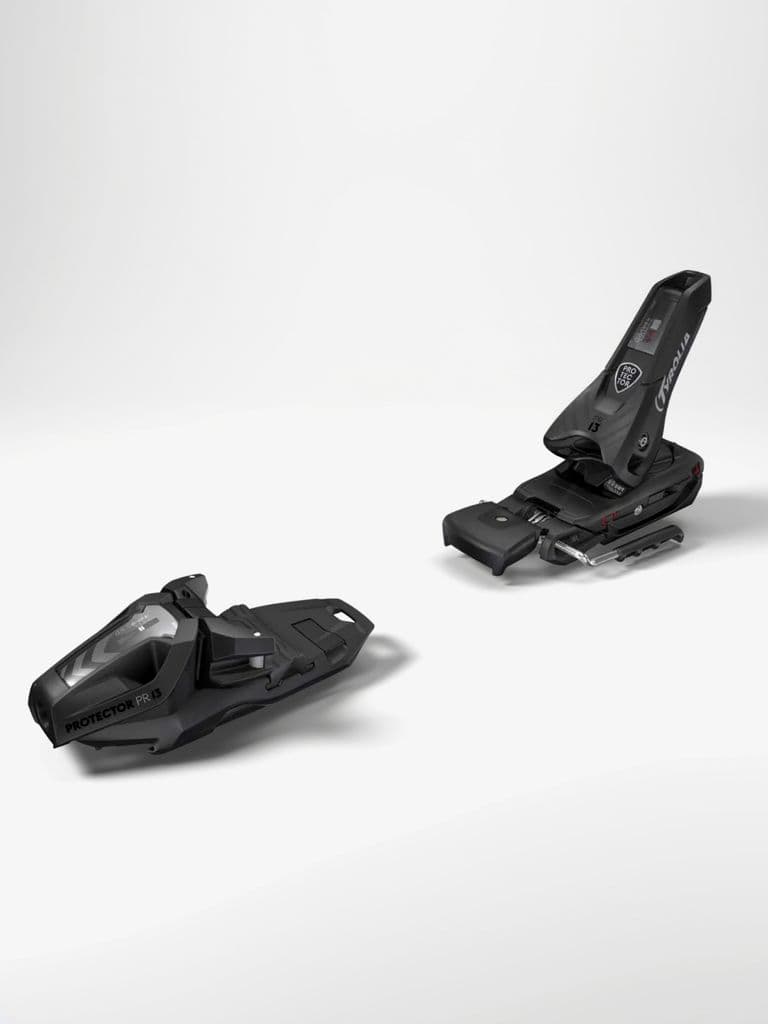
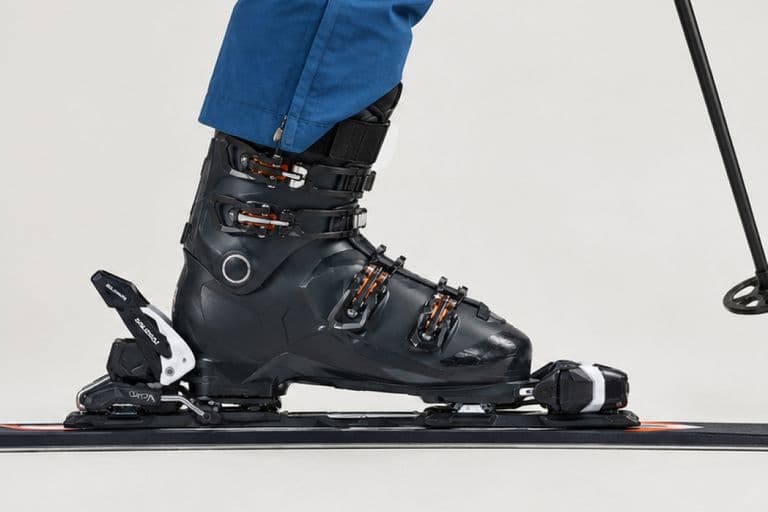
Ski bindings have barely changed since the 1990s. A few exceptions aside, no significant advances have been made. The current models are not designed to protect our knee joints.
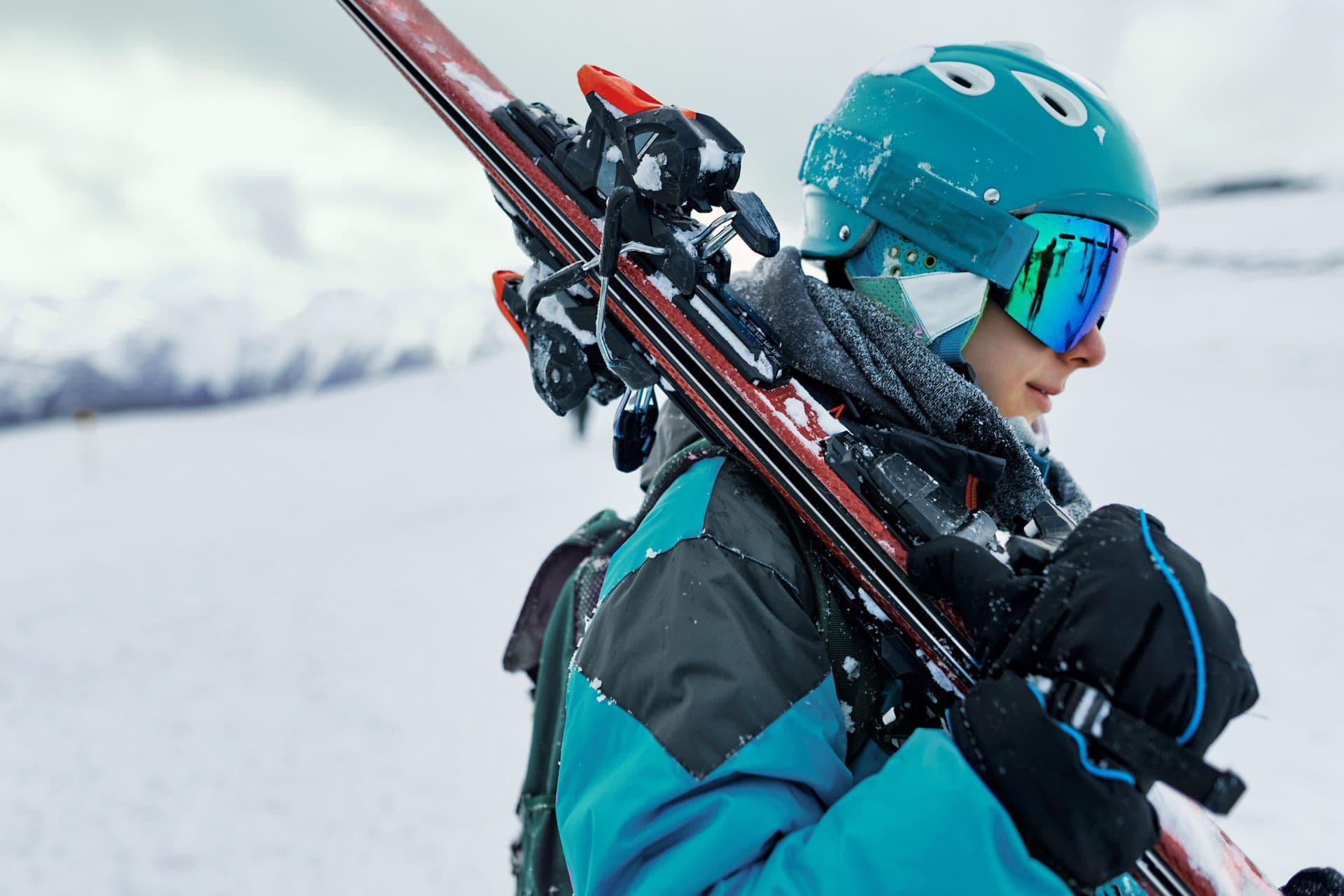
Today’s ski bindings: technically advanced but with limited protection
Future of ski binding
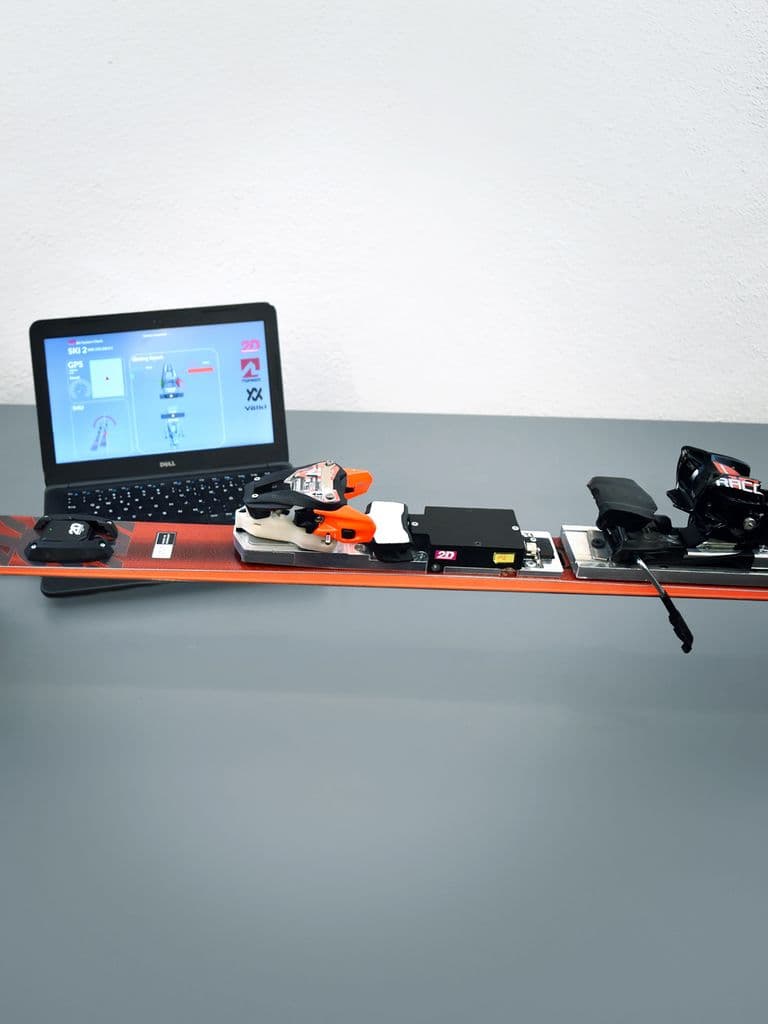
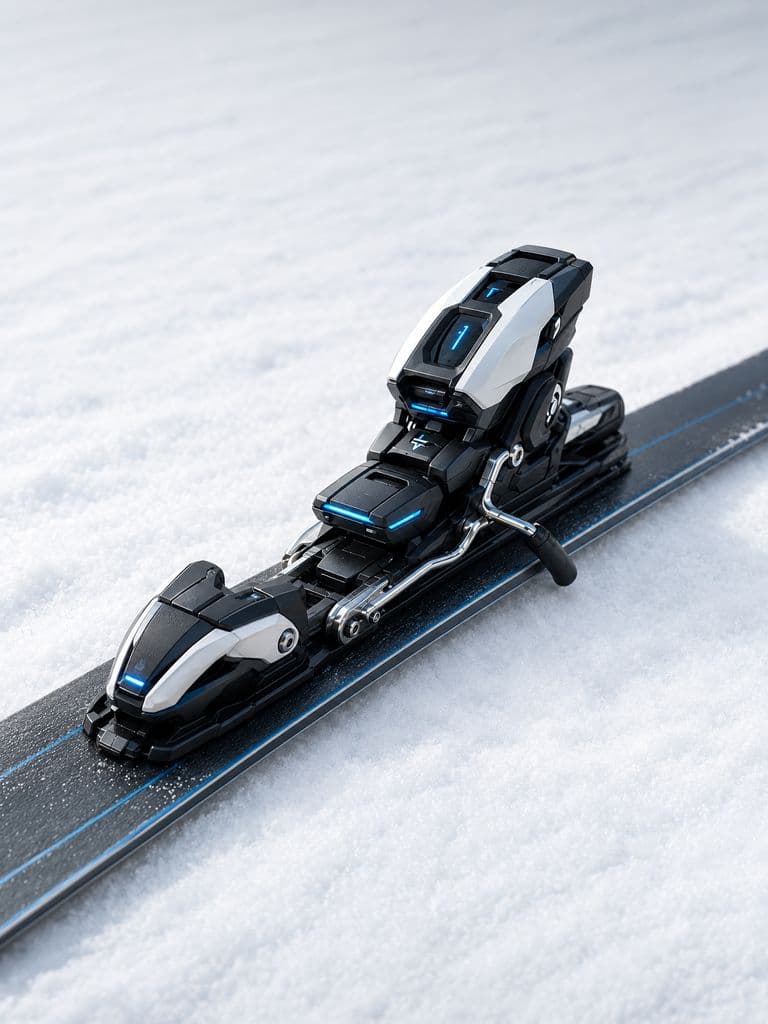
If future ski bindings are able to anticipate, they could not only predict the onset of a potentially critical situation (such as an impending fall), but also prevent serious knee injuries. Until then, developing and manufacturing smart bindings remains an ambitious goal, yet a highly rewarding one.

Smart skiing is the future
Technological advances have led to significant safety improvements in numerous areas, such as anti-lock braking systems on motorbikes and e-bikes, driver assistance systems in cars, and anti-rotation protection in bicycle helmets. When it comes to ski bindings, however, major safety-related progress has yet to materialise.


Challenges
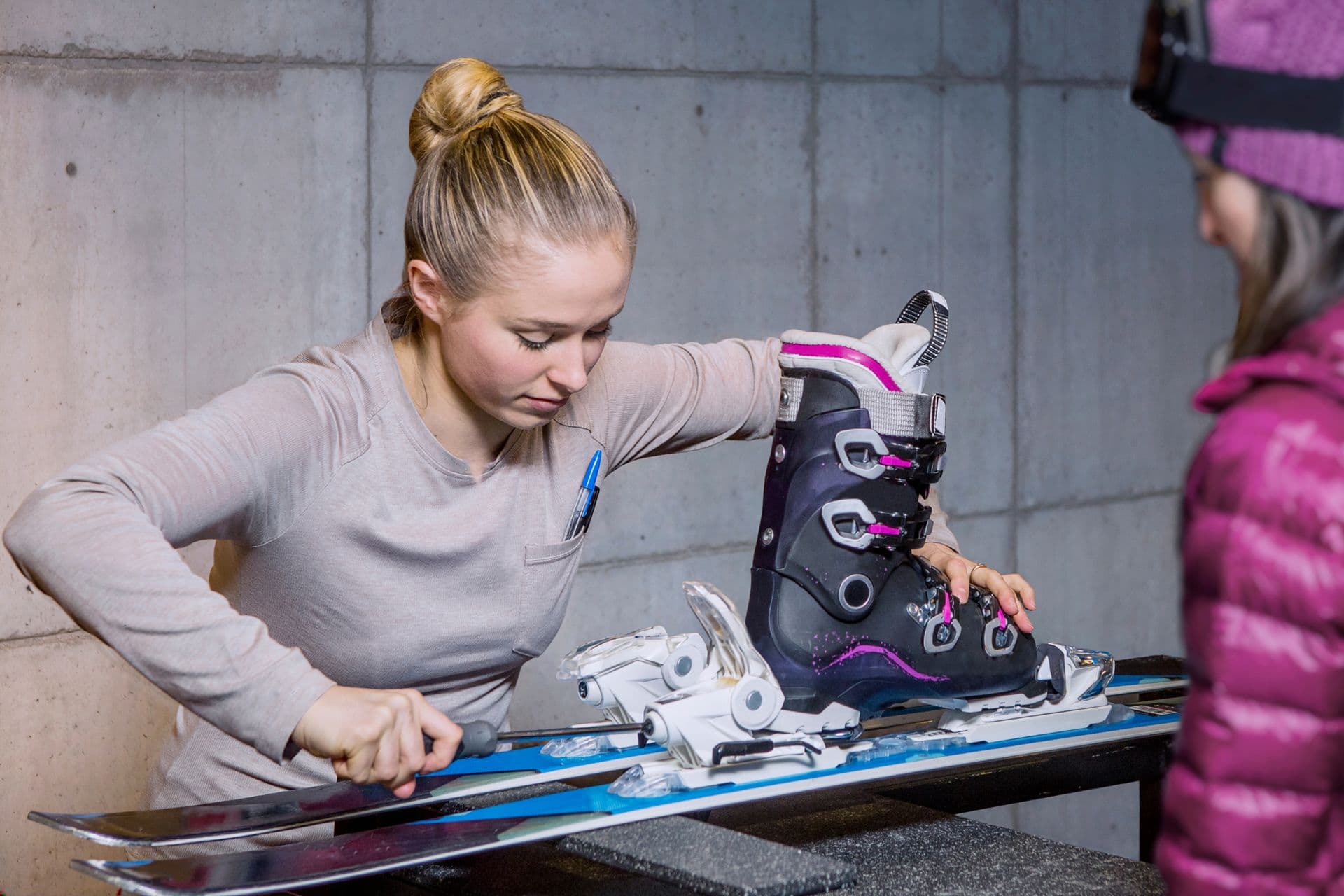
Manufacturers are reluctant to invest in new ski binding technology. Obviously, biomechanics are complex, development costs are high, and many skiers are not sufficiently aware of the injury risk to demand better solutions. However, none of this should be a reason to settle for the status quo. The aim is to develop a binding that really protects the knee.
The six main challenges facing manufacturers
Injuries while skiing
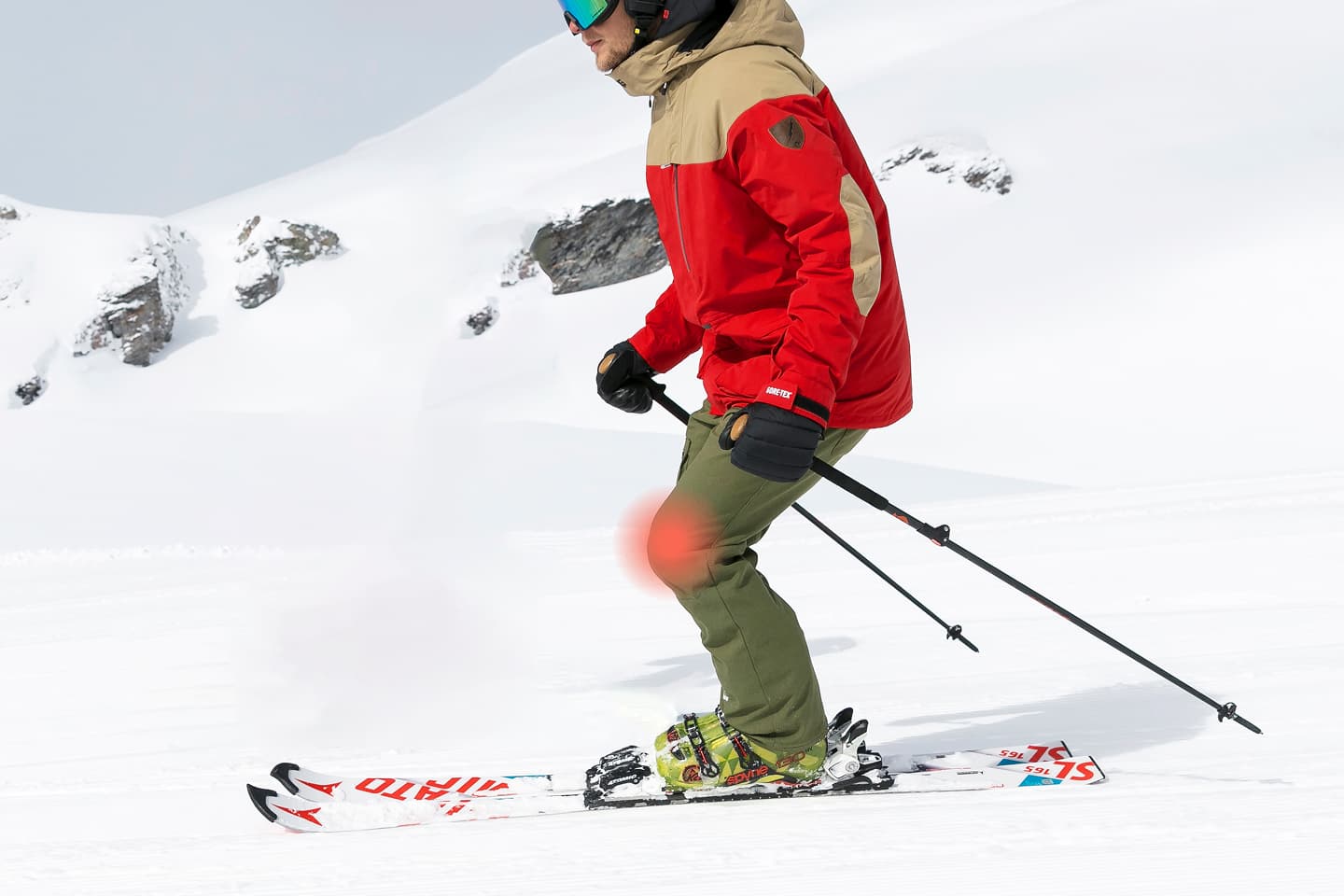
Knee injuries are a real pain – and around 18,000 skiers are affected each year. Accounting for almost 30 %, knee injuries are by far the most common outcome of accidents on the pistes. The industry urgently needs to innovate in order to improve safety.
Knee injuries take the sad top spot
Looking back
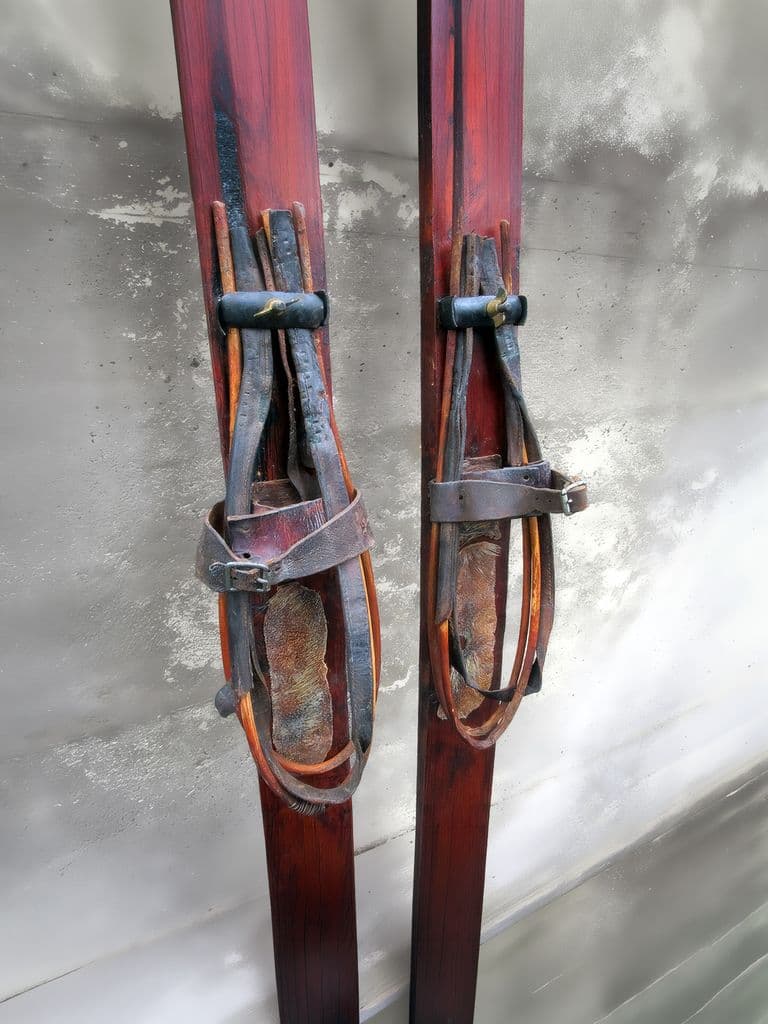
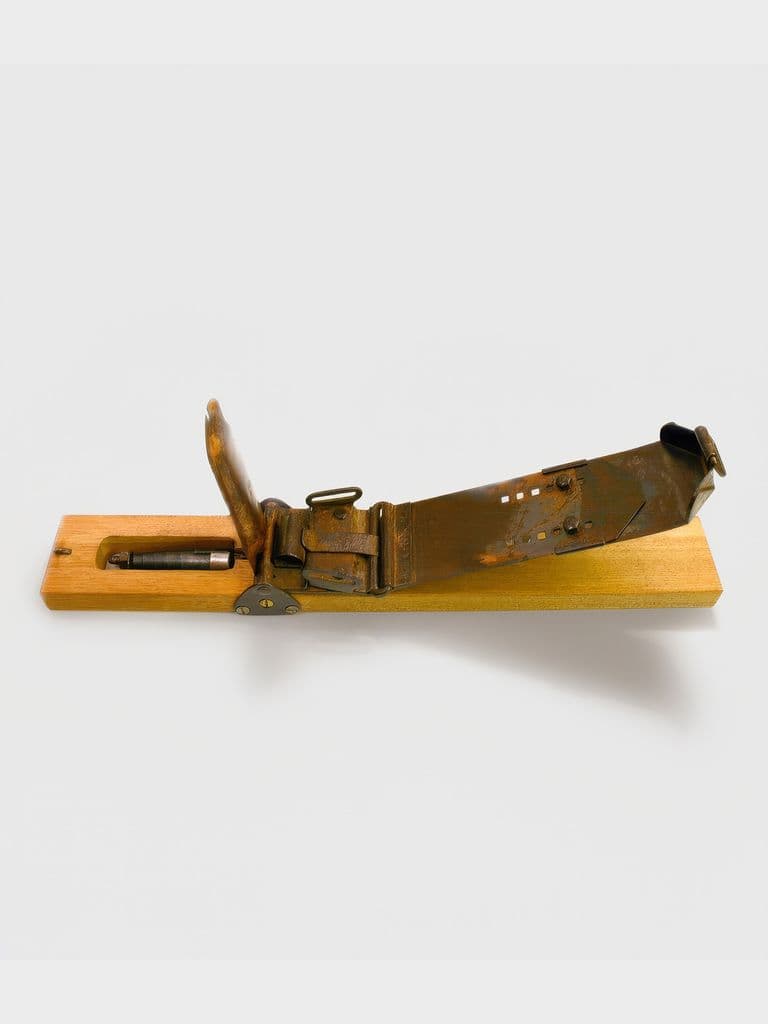
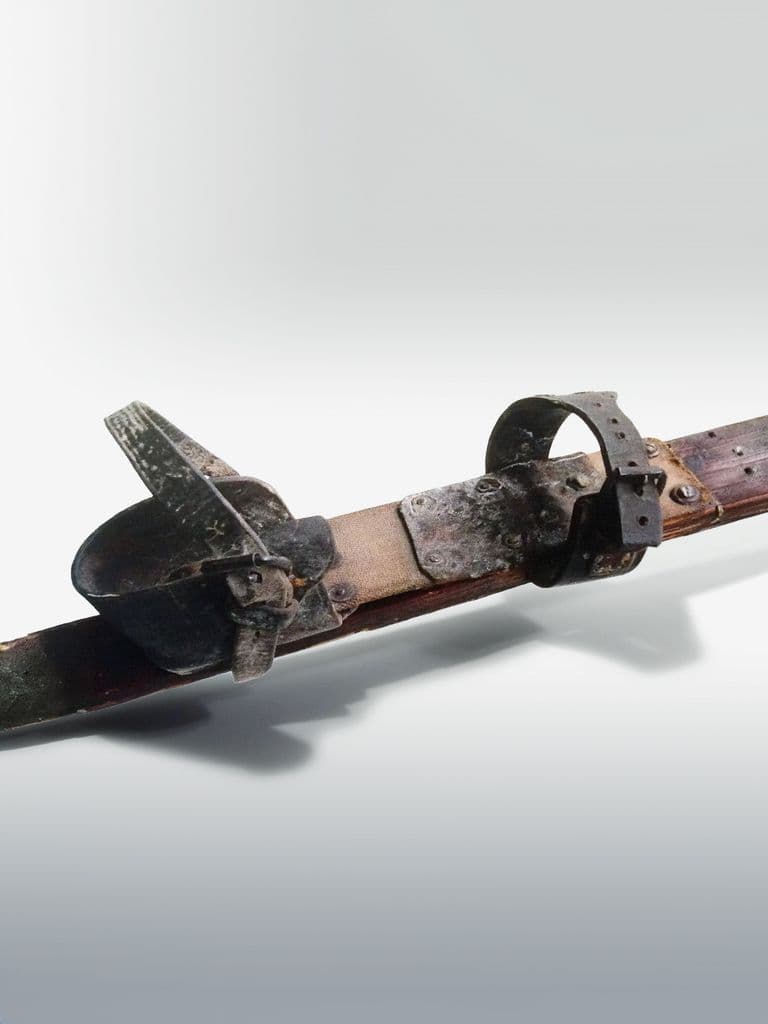
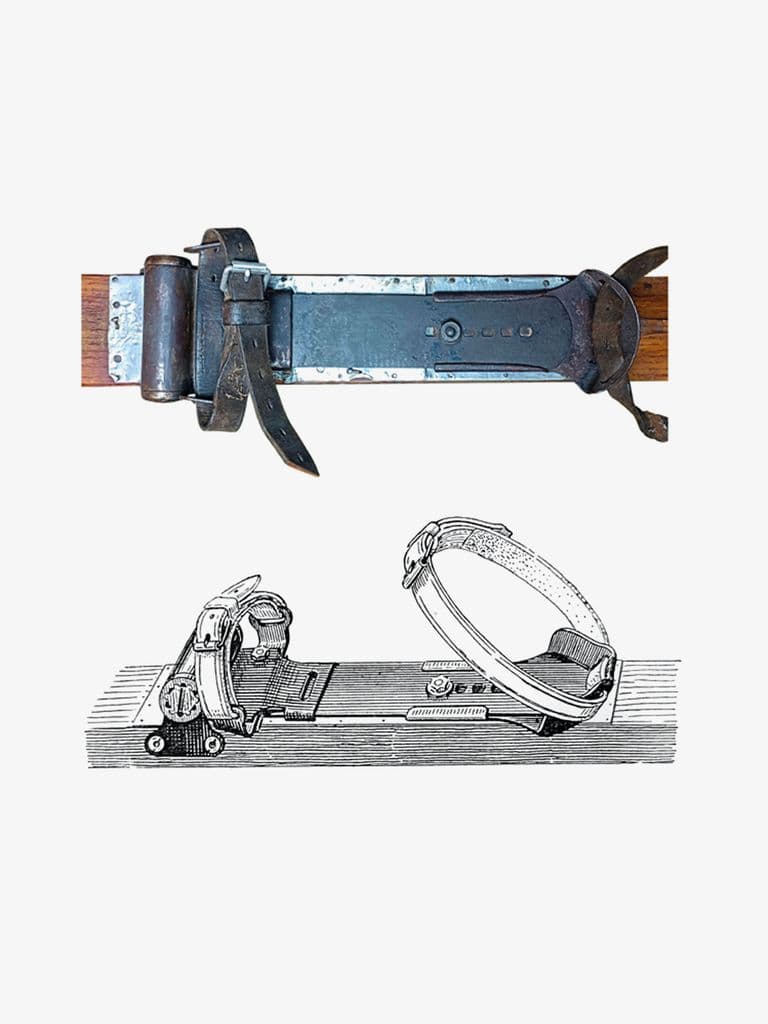
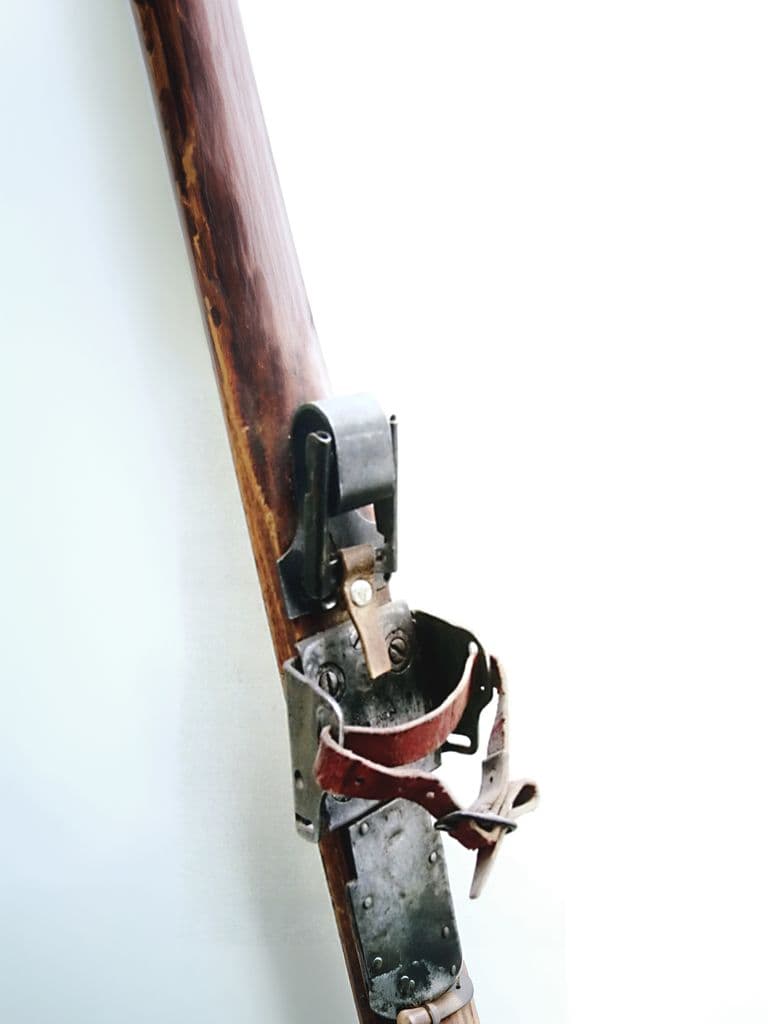
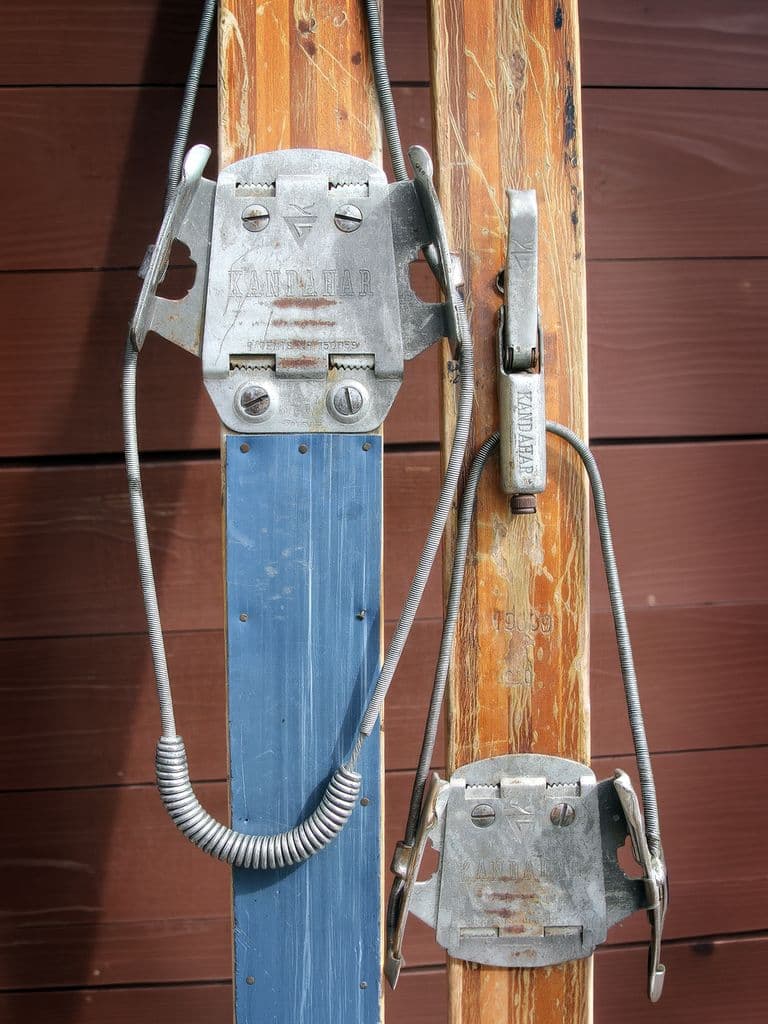
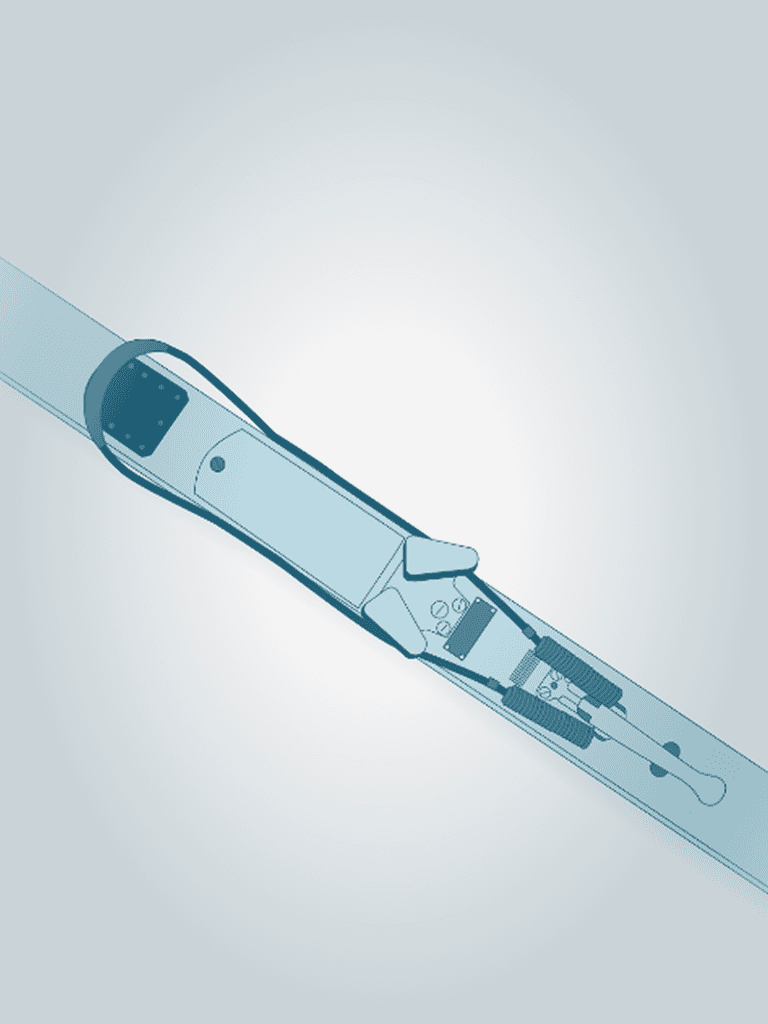
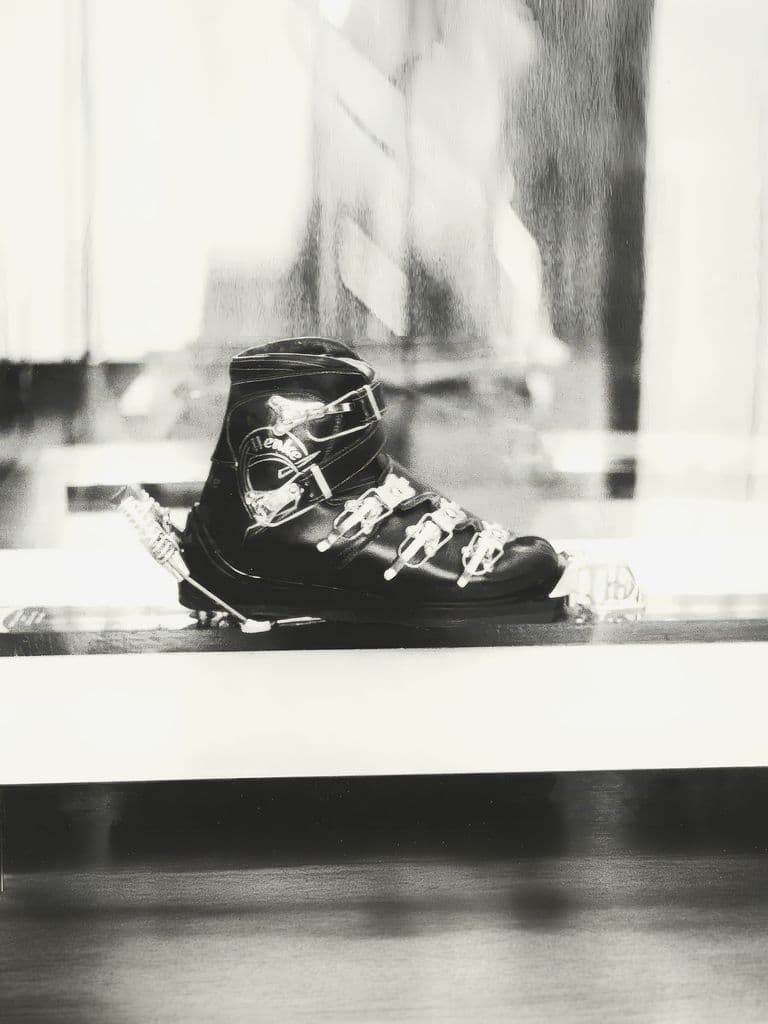
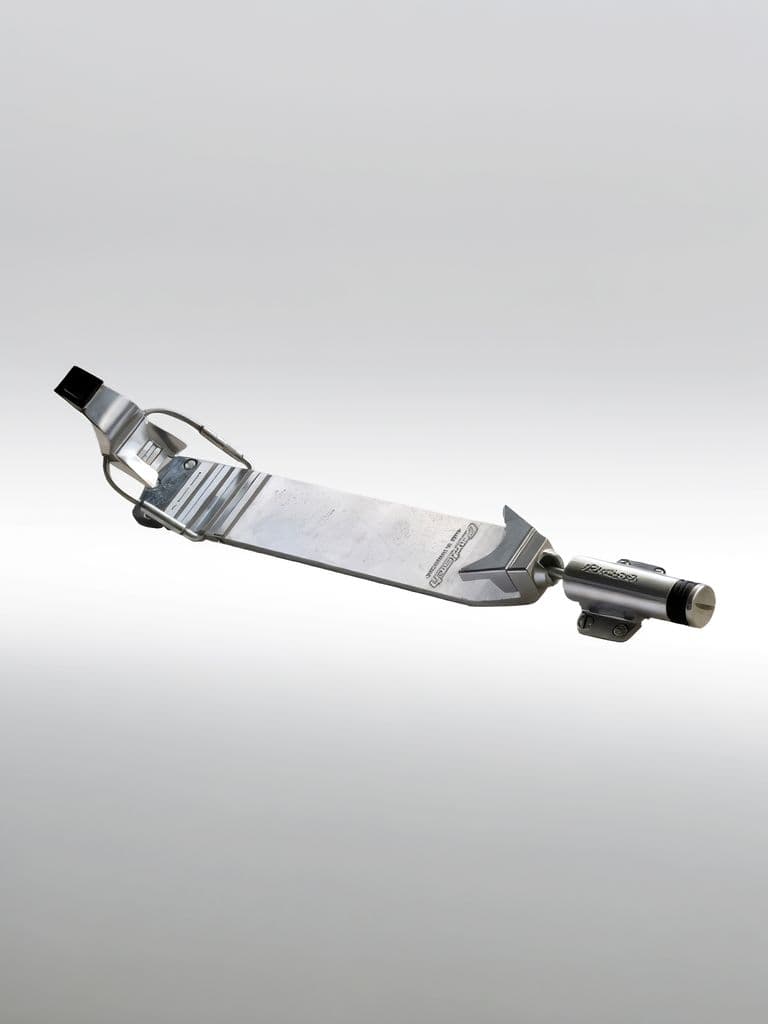
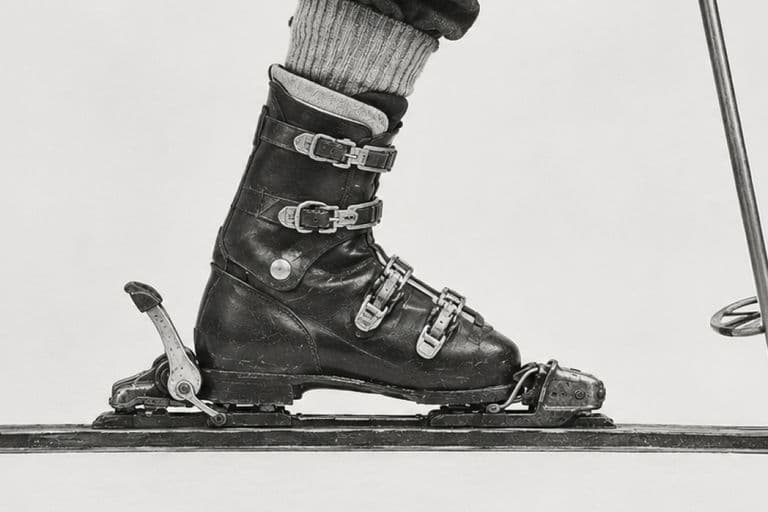
From willow roots to precision engineering: early ski bindings were rudimentary and only provided minimal hold. Launched in 1952, Marker’s first “safety binding” heralded the era of modern, automatic release systems – now constructed from lightweight materials, comfortable and standardised.
How did simple retaining mechanisms evolve into a key safety component? A look at inventions from Huitfeldt to Tyrolia shows how bindings have shaped – and continue to shape – the sport of skiing, with measurable benefits for skiers’ comfort and safety.
Willow binding
Binding made from willow rods, very rudimentary
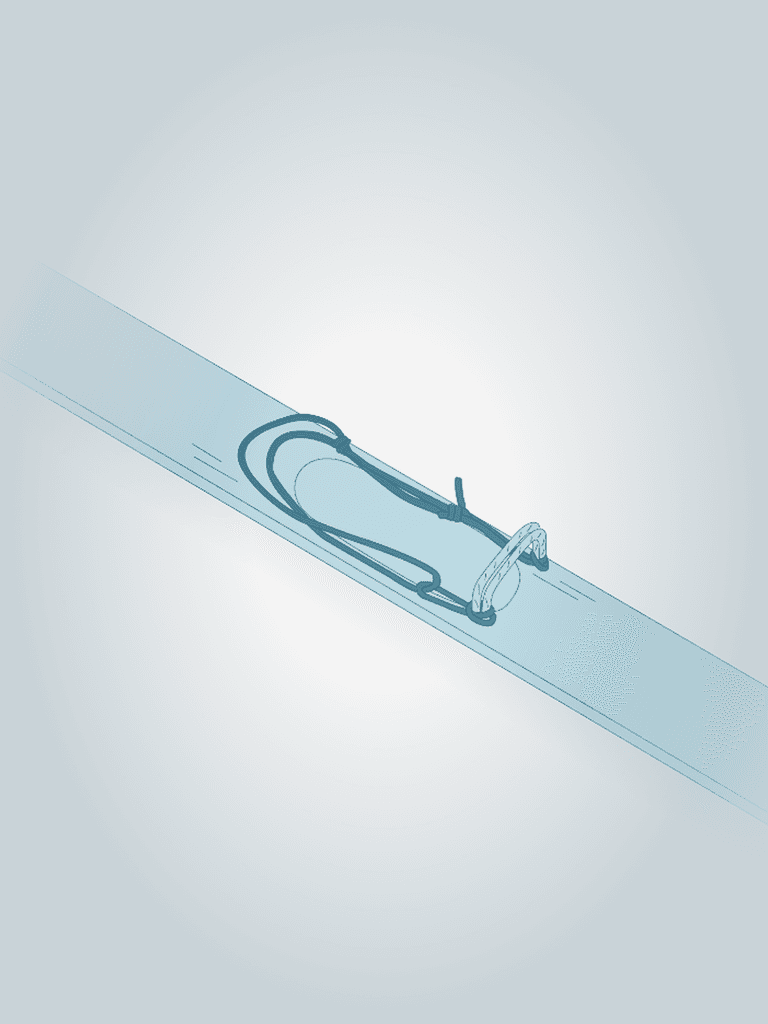
This overview is by no means exhaustive. Expert opinion is divided on the importance of these stages of development.
Progress
Skiing has to become safer. This is why the BFU is spearheading the development of a new, smart ski binding that will effectively reduce serious knee injuries. In order to achieve this goal, we are bringing together stakeholders from politics, healthcare, industry and sport.

Progress is needed – now
BFU ski sticker
Technological innovation takes time, but that doesn’t mean that safety can be put on hold. With the BFU ski sticker, we are making sure that today’s ski bindings are set correctly – and at the same time calling for and promoting the development of smart ski bindings.
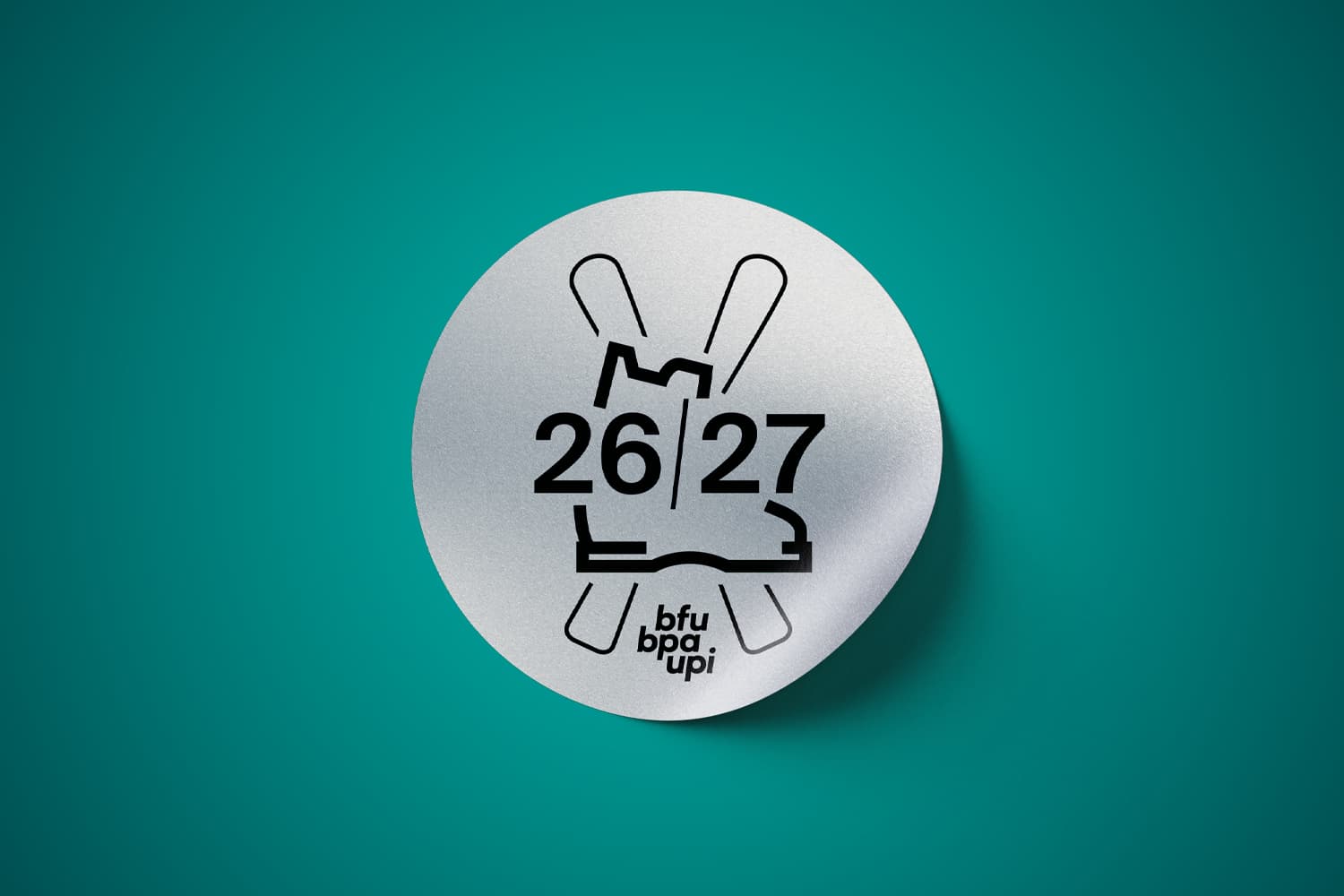
Reducing risk today